Bridging the Gap: A Look at Bridge Construction and Maintenance in Uganda
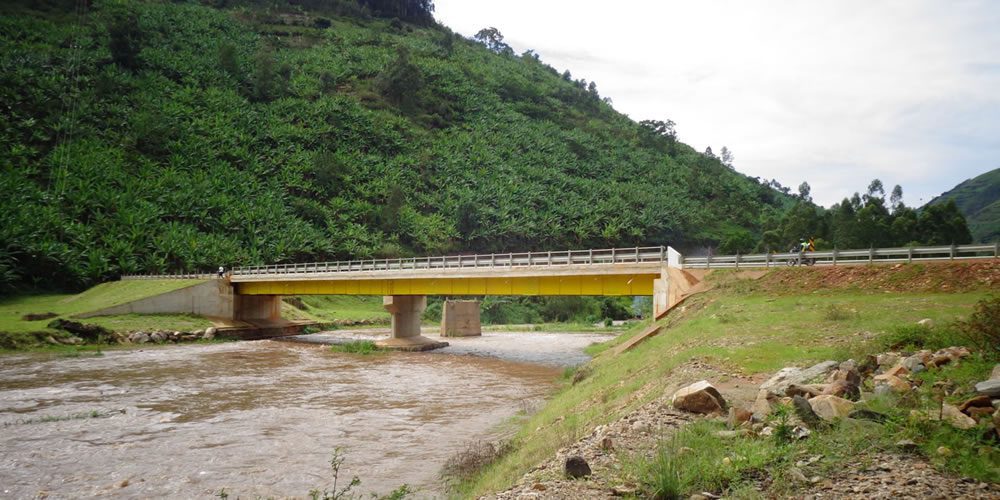
Uganda’s landscape is fragmented by numerous rivers and waterways. Building and maintaining bridges is crucial for connecting communities, facilitating trade, and boosting economic development. Here’s a closer look at the current state of bridge construction and maintenance in Uganda:
The Need for More Bridges and Proper Maintenance:
- Limited Connectivity: Many rural areas lack proper bridges, hindering access to essential services like healthcare, education, and markets.
- Economic Bottlenecks: Poor infrastructure, including inadequate bridges, discourages trade and investment, hampering economic growth.
- Safety Concerns: Dilapidated or makeshift bridges pose safety risks for pedestrians and vehicles. Deterioration of existing bridges due to poor maintenance further compounds this issue.
Government Initiatives:
- Increased Investment: The Ugandan government has recognized the importance of bridges and has increased investment in recent years. This includes projects like the new multi-billion dollar bridge across the River Nile at Jinja.
- Focus on Rural Areas: Efforts are underway to prioritize bridge construction in rural areas, improving accessibility for isolated communities.
- Public-Private Partnerships: The government is exploring partnerships with the private sector to leverage expertise and funding for bridge construction projects.
Challenges and Considerations:
- Funding Constraints: Despite increased investment, funding remains a challenge for building and maintaining the numerous bridges needed across Uganda.
- Sustainability and Maintenance: Ensuring bridges are built using durable materials and implementing proper maintenance plans are crucial for long-term functionality. A lack of emphasis on maintenance has led to the deterioration of many existing bridges.
- Environmental Impact: Bridge construction can have environmental consequences. Careful planning and mitigation strategies are needed to minimize ecological damage.
The Importance of Bridge Maintenance:
- Safety: Regular inspection and maintenance are essential to identify and address potential safety hazards before they become critical.
- Longevity: Proper maintenance extends the lifespan of bridges, saving resources in the long run compared to premature replacement due to neglect.
- Economic Benefits: Functional bridges ensure smooth transportation of goods and people, fostering economic activity.
The Road Ahead:
- Innovation: Embracing new technologies like prefabricated bridge components can expedite construction and potentially reduce costs. Innovative maintenance techniques can also improve efficiency and effectiveness.
- Community Participation: Involving local communities in bridge construction and maintenance projects fosters ownership and ensures the bridges meet their specific needs.
- Long-Term Vision: A comprehensive national bridge construction and maintenance plan is necessary to prioritize projects strategically, ensure a connected Uganda, and safeguard the longevity of these vital structures.
Conclusion:
Bridge construction and maintenance are two sides of the same coin in ensuring Uganda’s development. By addressing funding limitations, prioritizing sustainability, fostering innovation, and implementing robust maintenance plans, Uganda can bridge the gap towards a more connected, prosperous, and safer future.

Aute mi ut suspendisse velit leo, vel risus ac. Amet dui dignissim fermentum malesuada auctor volutpat, vestibulum ipsum nulla.
Sed reprehenderit quam, non felis, erat cum a, gravida lorem a. Ultricies in pellentesque ipsum arcu ipsum ridiculus velit magna, ut a elit est. Ultricies metus arcu sed massa. Massa suspendisse lorem turpis ac.
Nec ut tellus ornare, orci tortor suspendisse aliquet sollicitudin rhoncus, maecenas suscipit cras porttitor vestibulum vivamus.
Good https://is.gd/N1ikS2
Very good https://is.gd/N1ikS2
https://shorturl.fm/N6nl1
https://shorturl.fm/A5ni8
https://shorturl.fm/A5ni8
https://shorturl.fm/6539m
https://shorturl.fm/FIJkD
https://shorturl.fm/68Y8V
https://shorturl.fm/FIJkD
https://shorturl.fm/eAlmd
https://shorturl.fm/Xect5
https://shorturl.fm/47rLb
Apply now and unlock exclusive affiliate rewards! https://shorturl.fm/Mi0cg
Earn passive income on autopilot—become our affiliate! https://shorturl.fm/HBRZ9
Start profiting from your network—sign up today! https://shorturl.fm/xKH8S
Unlock exclusive rewards with every referral—apply to our affiliate program now! https://shorturl.fm/Jq0gX
Invite your network, boost your income—sign up for our affiliate program now! https://shorturl.fm/eR5gk
Refer friends and colleagues—get paid for every signup! https://shorturl.fm/vOvRb
https://shorturl.fm/tqzEv
https://shorturl.fm/yiHJN
https://shorturl.fm/rLpWT
https://shorturl.fm/27LcR
https://shorturl.fm/eqNlO
https://shorturl.fm/pnyHM
https://shorturl.fm/yvZXE
https://shorturl.fm/2PGlJ
Win4444bet That’s a lot of winning numbers! This has gotta be lucky. Taking it for a spin! I’m feeling lucky today with win4444bet
Dangnhapbj88, that sounds exotic! Time to log in and see what’s what. Maybe I’m ready for a VIP treatment. Fingers crossed! See whats on offer at dangnhapbj88!
Goldenhoyeah1 …Now you’re talking my language. ‘Golden’ and ‘Yeah’ in the same breath! This place might actually be solid! Let’s go goldenhoyeah1!
https://shorturl.fm/NVTGt